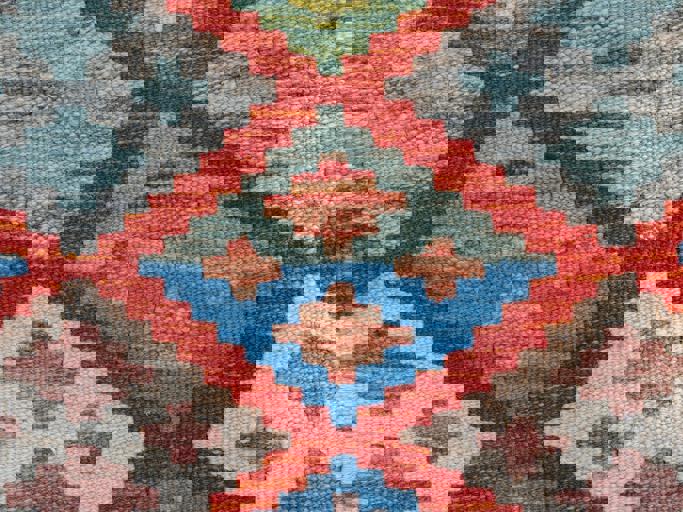
A dazzling new exhibition has opened its doors to visitors this month, drawing art aficionados and cultural enthusiasts alike to experience the vivid world of Indigenous fiber art. Titled “Threaded Legacies: Modern Tapestry Series,” the installation spotlights the innovative works of Indigenous artists whose creative visions blend ancestral weaving techniques with modern aesthetics. The gallery setting provides a contemplative space that underscores the profound cultural connections that each tapestry weaves.
Visitors entering the exhibition are immediately greeted by bold colors and intricate designs that leap from centuries-old traditions into the present day. These works demonstrate how ancient methods like finger weaving, loom tapestry, and bead embellishments continue to thrive in the hands of contemporary artists. The displays challenge viewers to recognize the dynamic evolution of Indigenous art within Canada’s broader cultural landscape.
Curator Tamara Blackfoot emphasized the importance of this collection, remarking, “We want to honor the lineage of our artists while allowing their personal stories to shine. These tapestries serve as living documents—each one a tapestry of memory, resilience, and imagination.” She notes that the selection process focused on artists who both preserve cultural heritage and innovate new forms of visual storytelling.
Among the featured artists is Kateri Singing-Wind, known for marrying bold geometric forms with traditional dyeing techniques drawn from her Cree heritage. Her centerpiece tapestry, titled 'Earth's Pulse,' melds naturally sourced ochre and indigo threads to evoke the Canadian landscape’s shifting seasons. Singing-Wind describes her art as “a bridge—connecting the voices of my ancestors with my own, and now sharing that with a contemporary audience.”
Many artists participating in the installation have incorporated sustainable practices into their work, harvesting fibers and dyes directly from nature in ways reflective of their traditional knowledge. For instance, some have used birch bark, sweetgrass, or locally gathered sheep wool, demonstrating a commitment to environmental stewardship. This zero-waste approach resonates with growing movements in both the art world and Indigenous communities to embrace sustainable creative processes.
The exhibition also highlights the role of storytelling within Indigenous fiber arts. Each piece is accompanied by a written account or audio commentary narrating the legends, family histories, or community events embedded within the patterns. Through this, visitors are invited to engage not just visually, but emotionally and intellectually, situating the tapestries within the larger context of Indigenous storytelling.
Audience reactions, gathered during the gallery’s opening week, speak to the breadth of impact these works are having. “Standing before these tapestries, I feel the presence of people and stories that stretch beyond time,” said attendee and teacher Leanne Ducharme. “The art is beautiful, of course, but it’s the meaning behind every color and knot that stays with you.”
In addition to the finished pieces, the installation features interactive workshops where visitors can learn about fiber art techniques, from basic finger weaving to complex loom operations. These sessions, often led by the artists themselves, aim to demystify processes and spark curiosity among newcomers. Organizers report that tickets for the first wave of workshops sold out within hours, reflecting growing interest in Indigenous fiber arts.
Despite the time-intensive nature of tapestry creation—some works take months to complete—artists express excitement about sharing their methods and inspiring others. “There’s a meditative quality to weaving,” explains artist Simon Oak, whose tapestries feature motifs inspired by Ojibwe sky stories. “I hope that when people try it themselves, they understand that art and culture are things we make together, thread by thread.”
Academic voices have also weighed in on the significance of the exhibition. Dr. Marlene Watso, a professor of Indigenous Art History, points out, “By foregrounding contemporary fiber arts, the gallery is challenging stereotypes that confine Indigenous art to the past. These artists demonstrate that our traditions are alive, adaptive, and deeply relevant to the present.” Her comments echo a wider reassessment of Indigenous art’s place within mainstream Canadian culture.
The gallery’s collaboration with regional schools and community leaders underscores its outreach focus, aiming to inspire future generations. Students are invited to participate in guided tours and discussions, forging personal connections with both the art and its makers. These interactions, organizers believe, can foster deeper respect and understanding between communities and encourage young artists to pursue their own creative practices.
Alongside critical acclaim, the exhibition has attracted attention from national and international collectors, signaling a growing recognition of Indigenous fiber art as both culturally significant and highly collectible. A few pieces have already been acquired for prominent museum collections, promising expanded visibility for the participating artists and their communities.
Reflecting on the exhibition’s impact, curator Tamara Blackfoot shared, “Art is a universal language, but it carries unique stories in every culture. These tapestries remind us not only of the beauty and resilience of Indigenous traditions but also of the powerful role contemporary artists play in carrying these legacies forward.” The gallery hopes the installation will continue to ignite dialogue, curiosity, and appreciation long after the show closes its doors.